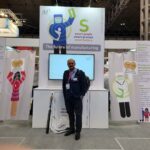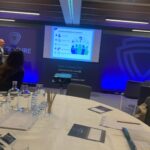

At the Food Sure Summit 2026 (Amsterdam, 9-10 June), François Bourdichon, Analytical Science and Microbiology Director at Groupe SODIAAL and Quality Director and Board Member at SODIAAL Nutrition & Ingredients, reminded us that in France one in four food recalls is caused by Listeria monocytogenes. He also made a point many of us know well: testing the finished product comes late. By then, Listeria has already been in the plant.
Where does it hide? In hard-to-clean niches, and very often inside biofilms. Biofilms are not always detected by conventional methods, and when Listeria forms a biofilm together with other bacteria, it can be even harder to remove with the usual disinfectants.
So a surface can look clean, pass a visual inspection and still carry a biofilm. And we only sample a tiny part of the plant. Do your swabs go where the biofilm is, or where the procedure says to swab?
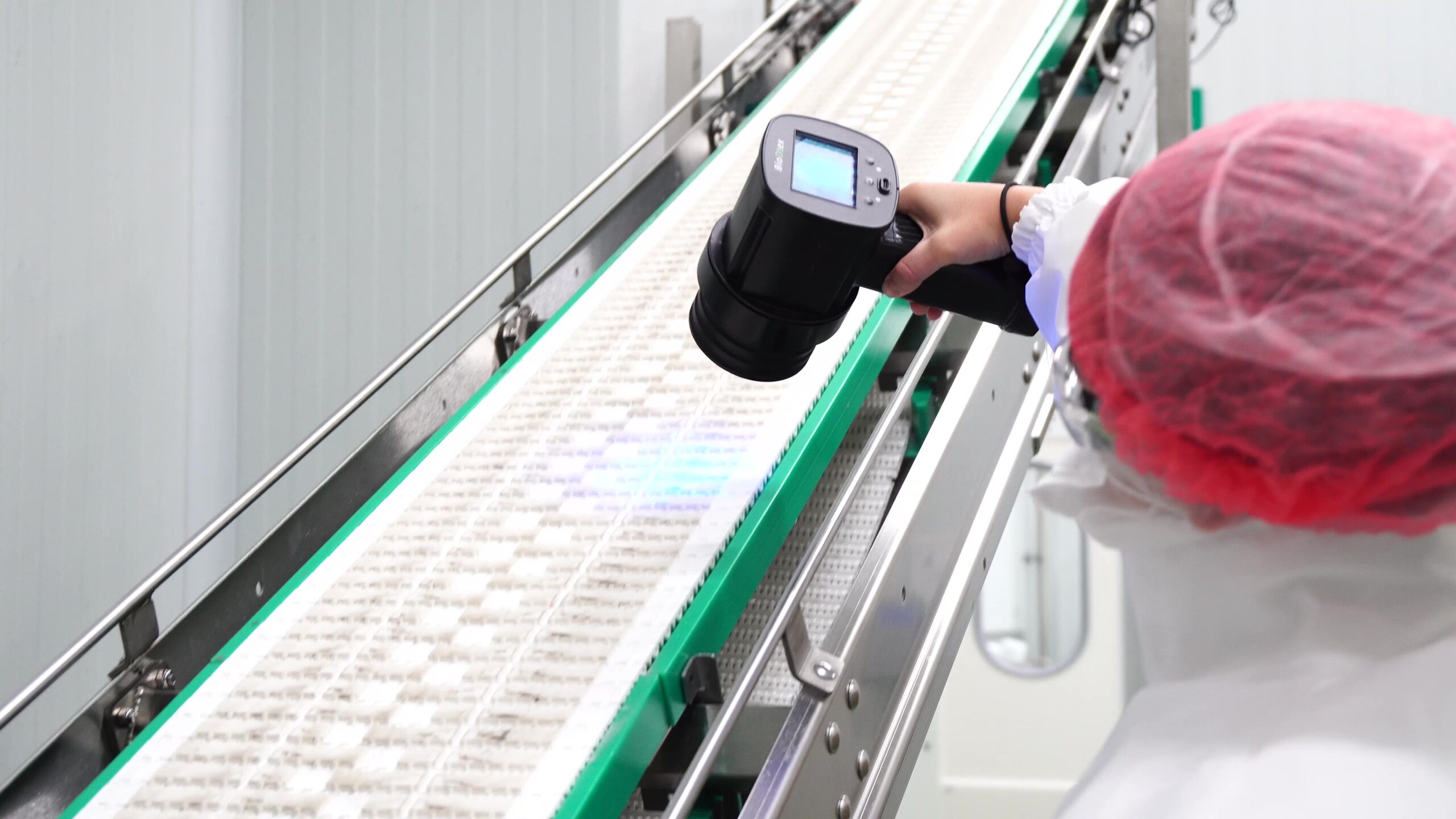
This is what BioDtex is for. It is a portable lamp with 16 UV-A LEDs that makes organic residue and biofilms glow, so you can see them before you swab. Campden BRI independently validated that it reveals biofilms associated with several pathogens, including Listeria and Salmonella. Bourdichon also mentioned UV-A light as a good complement to ATP, especially after dry cleaning.
How it works in practice:
1. After cleaning, check the line with BioDtex.
2. If a zone glows, treat it as a critical point: re-clean and take a swab there.
3. Confirm with your usual ATP and microbiological methods. BioDtex does not replace them. It helps you decide where to sample.
4. Use the built-in camera to take a photo of the glowing zone. It is useful evidence for corrective actions and for training the team.
It fits into the sampling and hygiene routines you already have. You don’t need a new protocol, and it is plug and play.
Question for you: how do you decide where to swab after cleaning? Do you use anything besides visual inspection and ATP to find biofilm risk spots?