

As UK health authorities investigate a national outbreak of Salmonella Enteritidis, FSQ Net contributors highlight the importance of strong traceability, meaningful supplier assurance and cross-functional responsibility for food safety.
The UK Health Security Agency (UKHSA) is investigating a national outbreak of Salmonella Enteritidis, with 207 confirmed cases identified as of 13 August 2026.
According to UKHSA, 206 of the cases have been reported during 2026, with cases identified across England, Scotland, Wales and Northern Ireland. Of those where information was available, 38% were admitted to hospital with severe symptoms, while two cases involved bloodstream infections.
Investigations into the source and origin of the contamination remain ongoing.
What do we know so far?
UKHSA interviewed 114 cases as part of its investigation, with 83% reporting that they had eaten food prepared outside the home in the week before becoming ill.
Five food businesses were identified as having been visited by two or more independent cases, collectively linking 24 cases. Eleven reported eating dishes made with eggs.
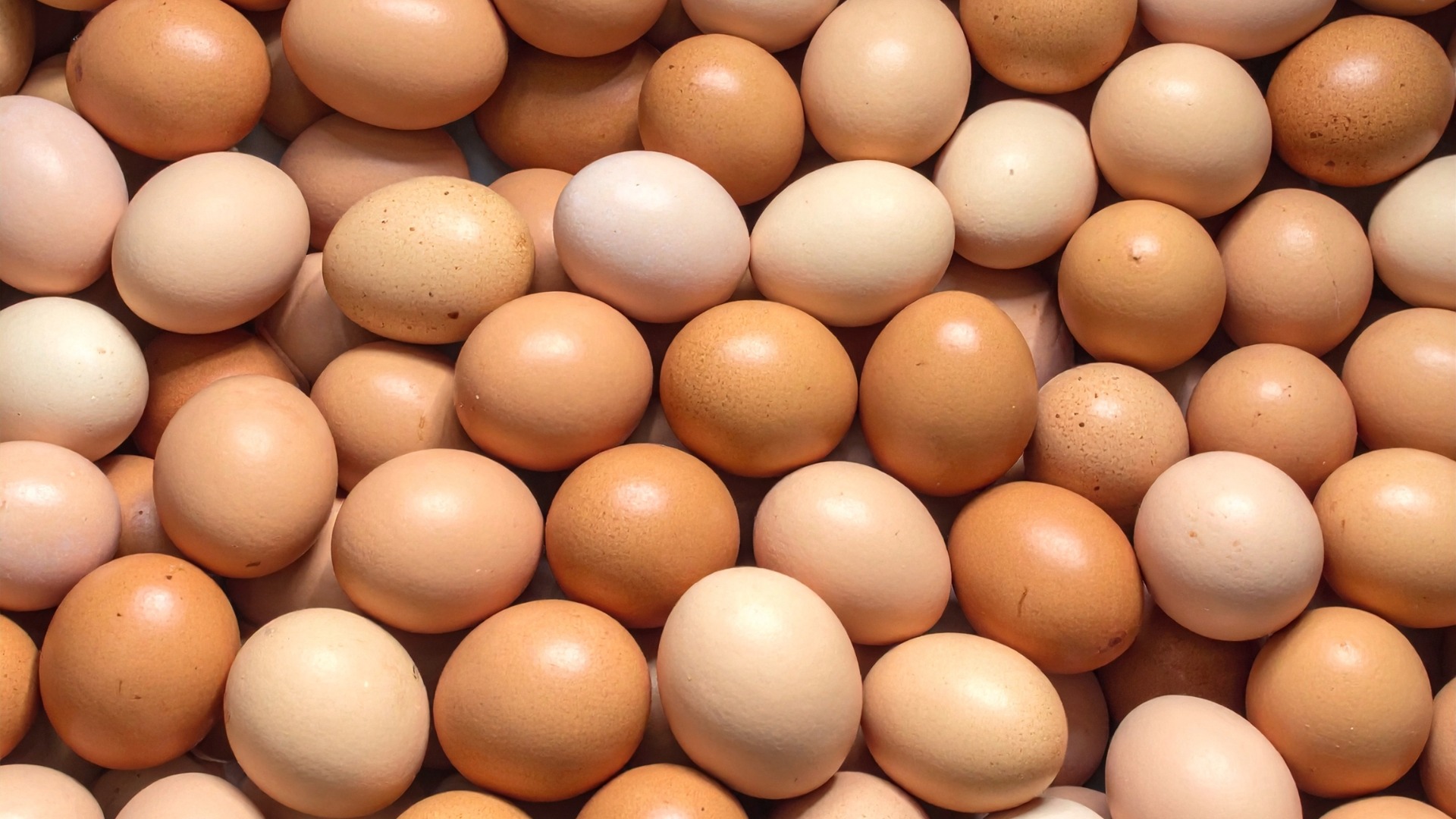
UKHSA says egg consumption remains the strongest signal identified by the investigation to date. Food-chain investigations found that the businesses involved had received eggs from multiple sources, including egg importers.
Possible cross-contamination events have also been identified at two of the food businesses under investigation.
However, UKHSA has stressed that there is currently no identified link to UK-produced eggs or poultry, and investigations into the source of contamination are continuing.
The outbreak strain has also been found to be genetically related to a separate 2025 outbreak which was linked to imported eggs. UKHSA, the Food Standards Agency (FSA), Animal and Plant Health Agency (APHA) and devolved administrations are continuing to investigate potential risks associated with imported eggs.
For food businesses, the ongoing investigation raises wider questions around how quickly organisations can trace ingredients, how suppliers are assessed and how prepared teams are to respond when an incident occurs.
Traceability needs to go further
For Jeremy Schneider of Schneider Food Safety Services, robust traceability is one of the most important tools available to businesses responding to a food safety incident.
“One of the most critical elements of any food safety programme is the traceability of ingredients, knowing where they came from and where they were shipped, beyond the simple ‘one-up-one-back’ system.”
Schneider argues that businesses should aim for visibility as far back through the supply chain as possible.
This can enable organisations to react quickly when a food safety incident occurs, but the benefits go beyond recalls and outbreak response. Stronger visibility can also reveal other risks, including unapproved sourcing, adulteration or vulnerabilities elsewhere within the supply chain.
The current outbreak demonstrates why that visibility matters. With investigators tracing products through multiple suppliers and food businesses, the ability to establish precisely where ingredients originated and where they subsequently travelled can be critical.
Is a third-party audit enough?
Supplier assurance is another area Schneider believes businesses should reconsider.
“As an industry we must begin to think about supplier management and approval beyond simply having a current third-party audit on file as ‘good enough’.”
While independent audits remain an important part of supplier assurance, Schneider believes organisations should also make a concerted effort to understand first-hand how their suppliers operate.
He advocates having “boots on the ground” where appropriate, with businesses conducting their own inspections and building a deeper understanding of the controls being applied by supplier partners.
For organisations managing complex or international supply chains, the broader message is that supplier approval should be an ongoing risk-management process rather than simply a compliance exercise.
Food safety cannot sit with one department
Syed Farhat Raza, Technical Manager at Freshways Dairy, also points to supplier controls, traceability and hygiene as areas businesses should review when an outbreak emerges.
Businesses should be confident that ingredients are sourced from reliable suppliers and can be traced quickly if a problem is identified, he says. At an operational level, cleaning, handwashing, storage and effective separation of foods remain essential controls in reducing cross-contamination risks.
However, Raza also stresses that responsibility during a food safety incident should extend far beyond Technical or Quality teams.
Senior management and other functions across the business need to be engaged, with clear cross-functional ownership of the response.
His point is an important one: food safety may be led by specialist teams, but an effective response can require decisions and actions spanning procurement, operations, supply chain, communications and senior leadership.
Preparing before an incident occurs
The source of the current Salmonella outbreak remains under investigation, and it would be premature to draw conclusions about where contamination originated.
However, businesses do not need to wait for the investigation to conclude before asking whether their own systems would stand up to a similar event.
Can ingredients be traced rapidly beyond immediate suppliers? Do supplier assurance processes provide meaningful visibility into actual operations? Are controls in place to minimise cross-contamination? And does the wider organisation understand its role if an incident occurs?
Outbreak investigations inevitably focus attention on what went wrong. For the wider industry, they also provide an opportunity to consider whether existing controls are strong enough before they are put to the test.
Source: UK Health Security Agency, Health Protection Report volume 20 issue 8, 18 August 2026.
We’d love to hear your thoughts and insights on the story in the comments below 👇