

Co-authored by Jeremy Schneider, President, Schneider Food Safety Services and Johnna Hepner, Vice President Business Development & Partnerships, Starfish.
The food service industry has undergone significant transformation since the COVID era, and few innovations have evolved as rapidly as the rise of ghost kitchens. Whether operating as delivery-only restaurants, virtual brands, commissary kitchens, multi-branded sites, or shared commercial kitchen spaces, ghost kitchens have allowed for new opportunities for food entrepreneurs while simultaneously introducing unique food safety and traceability challenges.
As regulators, customers, and supply chain partners continue to increase their focus on transparency and traceability, ghost kitchen operators must understand how food safety responsibilities apply to their business and where risks may exist within their operation. While the operating model may be different, the food safety expectations remain the same.
What is a Ghost Kitchen?
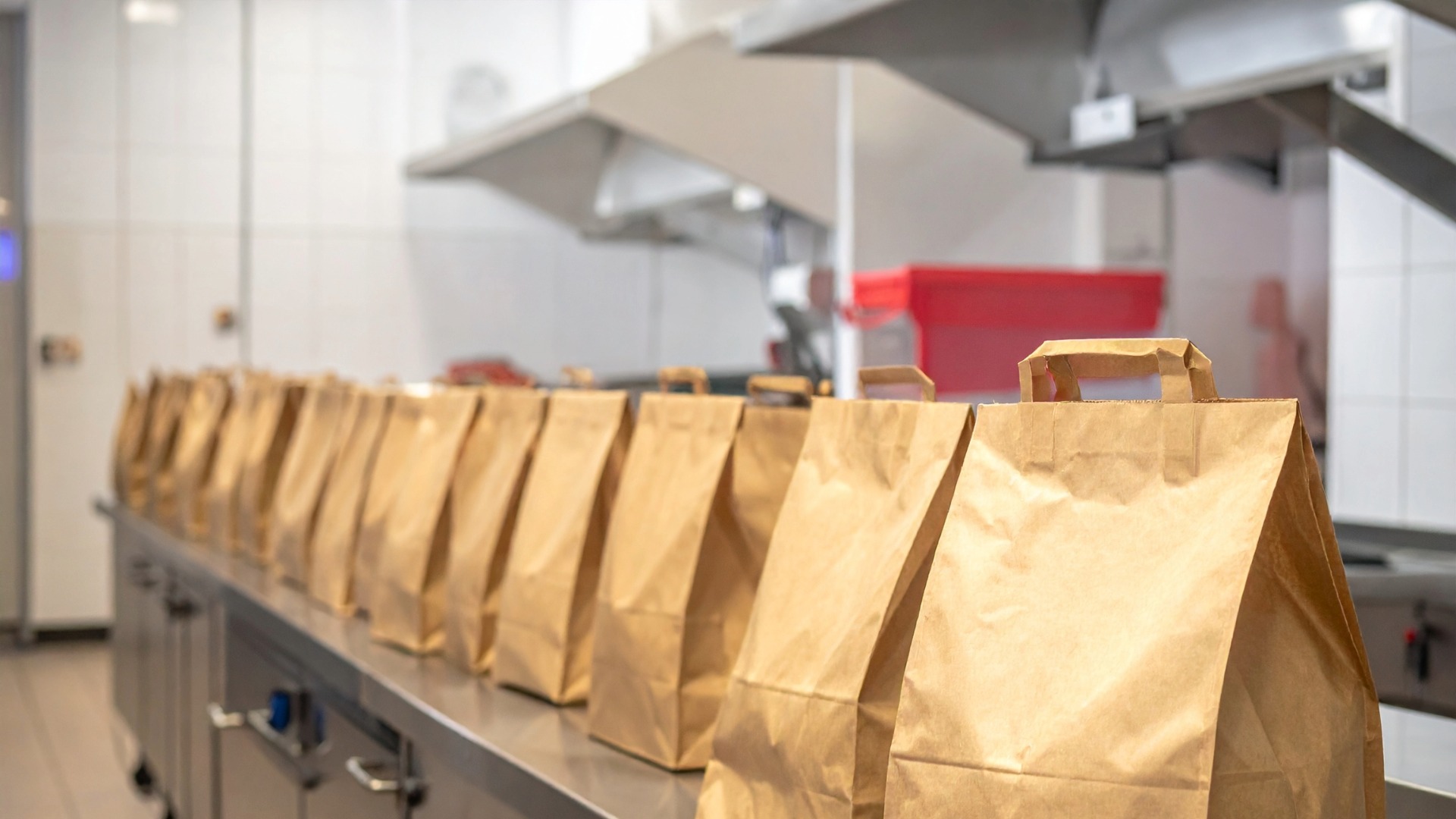
A “ghost kitchen” is generally defined as a food preparation facility that produces meals for off-premises consumption, often through third-party delivery platforms, without a traditional dine-in experience.
These operations can take several forms, including:
- Single-brand delivery-only restaurants.
- Virtual restaurant brands operating out of existing restaurants.
- Shared commissary kitchens housing multiple operators.
- Centralized production kitchens supplying multiple delivery concepts.
- Hybrid models supporting both retail and delivery operations, which may or may not include virtual or branded concepts.
While these models offer operational flexibility, reduced overhead costs, and open the opportunity to significant new revenue streams, they also create additional complexity when it comes to supplier management, ingredient traceability, allergen control, and recall readiness.
Why Traceability Matters in Ghost Kitchens
Traditional restaurants often have relatively straightforward ingredient flows. Ingredients arrive, are prepared, served, and consumed at a single location.
Ghost kitchens, however, frequently involve multiple brands operating from one facility with shared storage areas and preparation equipment, common ingredients used across several menu concepts, a variety of delivery providers, and central commissaries supplying multiple locations.
This complexity increases the importance of maintaining accurate records that identify:
- What ingredients were received
- Which suppliers provided them
- When products were received
- How products were used
- Which menu items contained those ingredients
- Where finished products were distributed
- Enhanced requirements outlined within FDA’s FSMA 204 regulations
Without adequate traceability records, identifying affected products during a food safety incident can become extremely difficult.
Supplier Approval is More Important Than Ever
Many ghost kitchen operators focus heavily on speed and convenience when sourcing ingredients. However, rapid growth can sometimes outpace supplier verification processes.
An effective supplier approval program should include:
- Approved supplier lists
- Supplier food safety documentation
- Third-party audit verification
- Certificates of Analysis (COA) when appropriate
- Ingredient specifications
- Recall and crisis management procedures
This becomes particularly important when multiple virtual brands rely on common ingredients. A single supplier issue may impact numerous menu offerings simultaneously.
The Recall Challenge for Ghost Kitchens
One of the most significant food safety concerns for ghost kitchens is recall execution.
Imagine a scenario where a contaminated ingredient is used across six virtual restaurant brands operating within the same facility. The affected ingredient may have been incorporated into dozens of menu items sold through multiple delivery platforms over several weeks.
Questions operators must be able to answer include:
- Which supplier provided the ingredient?
- What lot codes were received?
- Which menu items contained the affected ingredient?
- Which brand(s) utilized the ingredient?
- During what dates the ingredient was used?
- How much inventory remains on-site?
The ability to answer these critical questions rapidly can significantly reduce the scope of a recall and help protect consumers.
The Missing Ingredient: Connected Information
One of the biggest misconceptions about traceability is that organizations simply need better software. In reality, most ghost kitchens already have technology. They use procurement systems, inventory platforms, POS systems, kitchen management software, supplier portals, delivery applications, and food safety systems.
The challenge isn’t that the information doesn’t exist. The challenge is that it often lives in disconnected systems owned by different organizations.
A single meal may involve ingredients from multiple suppliers, inventory managed in one application, orders placed through another, delivery fulfilled by a third-party platform, and customer information maintained somewhere else entirely. During a food safety event, operators must quickly connect those pieces together.
The future of traceability in foodservice won’t be defined by replacing existing systems. It will be defined by connecting them, allowing information to move securely between suppliers, operators, delivery partners, and customers while each continues using the technology that best supports its business.
FSMA 204 and Ghost Kitchens
The FDA’s Food Traceability Rule (FSMA Rule 204) has largely focused industry attention on additional traceability requirements for foods appearing on the Food Traceability List (FTL). While many ghost kitchens may not fall directly under all aspects of FSMA 204, operators should pay close attention to how their suppliers and supply chain partners are implementing enhanced traceability systems.
As traceability requirements expand throughout the food industry, businesses that maintain strong receiving records, inventory controls, and ingredient tracking systems will be better positioned to meet customer, regulatory, and supply chain expectations. Many ghost kitchens already utilize digital ordering and inventory management platforms, making them well-positioned to leverage technology for improved traceability. The opportunity isn’t simply to digitize more processes. It’s to ensure the information already being captured can be shared quickly with trading partners, customers, and regulators when needed. Traceability becomes significantly more valuable when it moves beyond compliance and supports day-to-day operations, supplier collaboration, and faster decision-making.
Food Security in Mind
Ghost kitchens frequently receive orders and pickups from multiple delivery services and this can significantly increase food security risks.
Challenges often include:
- Unknown drivers and companies
- Different requirements for handling
- Multiple menu concepts using different handling expectations
- Food packaged in a way that does not protect it from adulteration
Companies should implement processes that protect food during transit from the ghost kitchen to the customer. This often includes tamper evident packaging, external packaging, and other deterrents that limit driver access.
Looking Ahead
Ghost kitchens represent an exciting evolution within the foodservice industry, but they are not exempt from the food safety responsibilities required of their traditional counterparts. In many ways, the complexity of shared facilities, virtual brands, and centralized production models makes robust food safety and traceability programs even more important.
As consumer expectations for transparency continue to increase and regulatory requirements evolve, ghost kitchen operators that invest in supplier management, traceability systems, allergen controls, and recall readiness will be better positioned to protect their customers and their brands.
The question is no longer whether traceability matters in foodservice. The question is whether your operation can quickly identify where ingredients came from, where they were used, and what actions need to be taken when something goes wrong.
Starfish helps make that possible by connecting the systems and trading partners that already support your operation, allowing critical traceability data to move securely when it is needed most. Because in a food-safety event, having the information is only part of the solution—the real advantage is being able to find it, connect it, and act on it.
Schneider Food Safety Services helps companies understand and map their supply chains to meet FSMA 204 and other business-critical regulatory requirements. We bring clarity to complex expectations, provide practical expert guidance, and build a clear roadmap—helping our clients move from where they are today to where they need to be for the challenges ahead.